
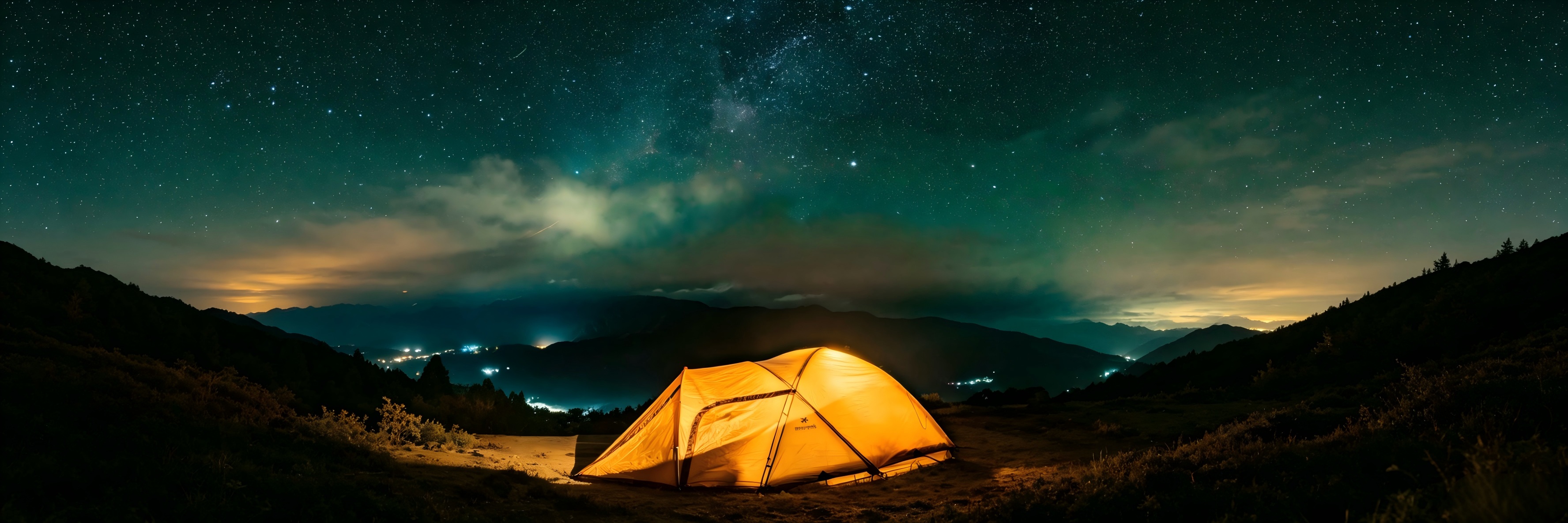
Camping is one of the best ways to explore North America’s stunning natural landscapes. From the misty forests of the Pacific Northwest and the towering Rocky Mountain ranges to the peaceful lakeside campgrounds in Canada and the open plains of the American Midwest, North America provides endless outdoor opportunities for camping enthusiasts. However, first-time campers often encounter uncomfortable or even dangerous situations due to insufficient gear, wrong operation habits, and ignorance of local camping rules. Unlike casual backyard camping, wilderness camping in North America features unpredictable weather, active wildlife, and strict park management regulations. This guide will deliver a full set of practical camping gear lists, key field notes, and essential safety guidelines, helping beginners build solid preparation for a worry-free camping trip.
Complete North America Camping Gear List (Beginner-Friendly)
Reasonable gear preparation determines the overall quality of your camping trip. North America’s diverse geographical and climatic conditions require targeted equipment matching. Below is a refined, must-have gear list tailored for mainstream car camping and casual backpacking, eliminating useless bulky items while covering all survival and comfort needs.
1. Shelter & Sleeping Essentials
A reliable shelter and warm sleeping system are the top priorities for outdoor camping. For most North American camping scenarios in spring, summer and fall, a 3-season waterproof windproof tent is the best choice, which can cope with sudden rainstorms and mountain gusts common in US and Canadian wilderness. Avoid ultra-thin budget tents, which are prone to water leakage and structural damage in harsh weather.
For sleeping equipment, select a temperature-rated sleeping bag that is 5-10°C lower than the local nighttime lowest temperature, as mountain areas in North America always have a sharp temperature drop after sunset. Match it with a high R-value sleeping pad (R-value ≥3) to block ground cold air, preventing hypothermia caused by direct contact with cold soil and stone. A portable tent footprint is also recommended to protect the tent bottom from abrasion and moisture.
2. Cooking & Hydration Gear
Wild water in North American forests and lakes contains parasites and bacteria, so direct drinking is strictly not allowed. Prepare 2L portable water storage containers and professional water purification tablets or mini water filters to ensure drinking water safety. Most national parks in the US and Canada implement seasonal fire bans to prevent wildfires, making open fires illegal in dry seasons. Therefore, a portable camping stove and matched fuel canister are essential cooking tools instead of open campfires.
Other kitchen necessities include a lightweight sealed cooking pot, reusable tableware, heat-resistant gloves, sealed food storage bags, and biodegradable camping soap. It is wise to prepare one day of extra food reserves to deal with unexpected situations such as road closures and continuous rainy weather that may delay your return trip.
3. Clothing & Lighting Equipment
The biggest feature of North American outdoor weather is the huge temperature difference between day and night. Follow the layered dressing rule: quick-drying sweat-wicking base layers, warm fleece mid-layers, and waterproof windproof outer jackets and pants. Never wear pure cotton clothes for camping, as they absorb sweat and stay damp for a long time, easily causing colds and physical discomfort. Equip non-slip thick-soled hiking shoes, warm wool hats and waterproof gloves to adapt to rugged woodland and gravel terrain.
For lighting tools, a headlamp is a must-have camping gear, which frees your hands for tent setup, cooking and night walking. Match it with a portable camping lantern for campsite ambient lighting and prepare spare batteries in advance, because most wilderness campgrounds have no power supply facilities.
4. Tools & Emergency Supplies
Basic camping tools include a multifunctional outdoor knife, fixed tent ropes, and camping hammer for ground nails. A complete first-aid kit is indispensable, equipped with band-aids, sterile gauze, antiseptic wipes, pain relievers, anti-allergy drugs and trauma dressings. In addition, high-power sunscreen, outdoor insect repellent, and portable power banks are necessary daily supplies to cope with strong ultraviolet rays, numerous mosquitoes and no-power camping environments in the wild.
Key Camping Notes & Beginner Pitfalls to Avoid
Most camping troubles are caused by avoidable trivial mistakes. Summarizing massive North American camping experience, we sorted out the most critical notes and common pitfalls for beginners to optimize your camping preparation and field operations.
1. Standardized Gear Selection
Beginners tend to make two extreme mistakes: blindly pursuing expensive ultra-light professional backpacking gear or buying inferior low-cost equipment. Professional ultra-light gear is designed for long-distance hiking with low durability, not suitable for casual camping. Cheap tents and sleeping bags often fail to resist bad weather, ruining the whole trip. The most suitable option for new campers is cost-effective, durable general outdoor gear that adapts to most North American camping scenarios.
2. Strictly Abide by Park Rules
All national parks and provincial parks in the United States and Canada have clear camping regulations. Beginners must check official fire ban notices before departure. Unauthorized open fires in dry seasons will lead to heavy fines or compulsory evacuation. In addition, camping only in designated areas, no random littering, and standardized garbage disposal are basic rules that every camper must follow to avoid penalties and protect the wild ecological environment.
3. Scientific Wildlife Prevention
Wildlife such as raccoons, foxes and black bears are widely active in North American wilderness. Never store food, drinks or scented products including toothpaste and perfume in tents, as odor will attract wild animals and trigger stealing or even attacking risks. All odorous items must be sealed and stored in official bear boxes equipped at regular campgrounds. Besides, never feed or approach wild animals arbitrarily, which will destroy their wild habits and bring hidden dangers to personal safety.
4. Rational Weather Risk Prevention
Never judge the whole day’s weather by the sunny daytime. North American mountain and forest areas are prone to sudden thunderstorms, strong winds and sharp night temperature drops. Beginners should check the 3-day continuous weather forecast before camping, rather than relying on single-day weather information. Sufficient cold-proof and rainproof gear must be prepared in advance to avoid hypothermia and damp camping environment.
Core Camping Safety Measures
Safety is the primary principle of all outdoor camping activities. In the complex and changeable North American wild environment, standardized safety operations must be implemented throughout the trip. When setting up camps, choose flat and high-lying terrain, avoiding valley bottoms and riverbanks to prevent flash flood risks in rainy days. Do not camp or hike alone in remote wilderness. Inform family or friends of your camping location, route and return time before departure, and download offline maps in advance for signal-free wild areas.
For fire safety, only use designated fire pits and portable camping stoves. Thoroughly extinguish all open fires with water and soil after use to prevent wildfires. For personal health, avoid contacting unknown wild plants and insects, and keep hands clean before meals to prevent bacterial infections. Once you feel dizziness, fatigue or physical discomfort during camping, stop outdoor activities and rest in time to avoid aggravating physical problems.
Conclusion
Camping in North America is a precious outdoor experience that allows people to get close to nature and release daily pressure. A perfect camping trip does not rely on luxurious equipment, but on comprehensive preparation, standardized operation and rigorous safety awareness. By equipping practical camping gear, avoiding common novice mistakes, and abiding by wild camping safety rules, every beginner can easily adapt to North America’s wilderness camping environment and enjoy the pure beauty of nature safely and comfortably. Always remember that adequate preparation is the best guarantee for a wonderful outdoor camping journey.